In the fast-paced 2026 US market, efficiency is no longer an advantage—it is a requirement. As your company moves beyond its initial stages, managing various departments like finance, sales, and inventory through separate, disconnected tools becomes a recipe for error. This is exactly why modern organizations are turning to ERP software to unify their operations.
By integrating every facet of your business into a single digital ecosystem, you eliminate data silos and empower your team with real-time insights. Whether you are scaling a boutique retail brand or managing a complex service firm, the right ERP software acts as the central nervous system of your business.
Understanding the Core of Business Integration
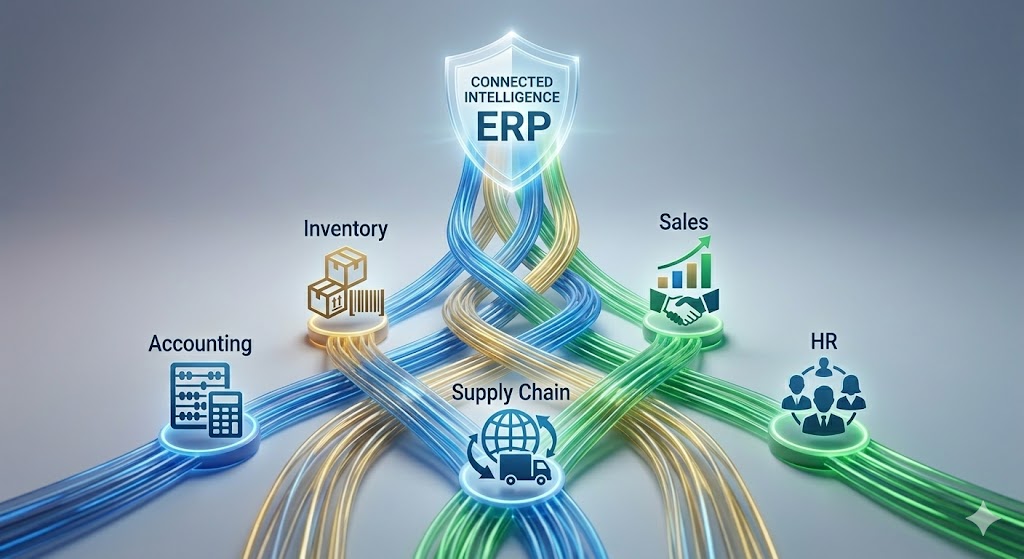
At its most basic level, an Enterprise Resource Planning system is a platform that allows a company to manage and integrate the important parts of its business. Modern ERP software combines processes such as purchasing, inventory, sales, marketing, finance, and human resources into one software system.
For a US-based small business, the primary goal of implementing ERP software is to ensure that information is shared seamlessly across the board. When a sales representative in California closes a deal, the accounting team in New York sees the invoice immediately, and the warehouse manager in Texas receives a notification to pack the order. This level of synchronization is what allows small teams to compete with global giants.
Why Your Business Needs ERP Software in 2026
The complexity of the American business environment—ranging from state-specific tax nexus rules to supply chain fluctuations—makes manual management nearly impossible. Investing in ERP software provides a strategic foundation for long-term success.
- Complete Financial Visibility: Forget about manual reconciliations. With an integrated system, your financial reports are updated in real-time, giving you a clear picture of your cash flow at any second.
- Operational Efficiency: Automation is the heart of ERP software. By automating repetitive tasks like data entry or invoice generation, your staff can focus on high-value activities that drive revenue.
- Enhanced Customer Service: When your sales and support teams have access to the same customer history, they can provide a personalized experience that builds long-term loyalty.
- Regulatory Preparedness: US businesses face strict audit requirements. Most ERP software options come with built-in compliance tools that maintain a perfect audit trail of every transaction.
If you are already looking into ways to improve your outreach, you may find that this backend system pairs perfectly with your marketing automation software for small business. While your marketing tools attract new leads, your core system manages the actual fulfillment and financial health of the business.
The Best ERP Software Options for the US Market
Choosing a platform is a massive decision. Here are the top-rated providers for 2026 that specialize in serving the small to mid-market segment in the United States:
Oracle NetSuite – The Cloud Pioneer
NetSuite is frequently cited as the most popular cloud-based ERP software for growing companies. It offers a comprehensive suite of tools that handle everything from global currency conversion to complex inventory management across multiple warehouses.
Microsoft Dynamics 365 – Best for Ecosystem Integration
For businesses that are already utilizing the Microsoft 365 suite, this ERP software is a natural extension. It integrates directly with Excel, Outlook, and Power BI, allowing you to turn your existing data into actionable business intelligence.
SAP Business One – Precision for Small Manufacturers
SAP is a legendary name in the industry, and Business One is their specialized ERP software crafted for smaller operations. It is particularly strong for businesses in the manufacturing and wholesale distribution sectors that need granular control over their production lines.
Acumatica – The Flexible Mid-Market Leader
Acumatica has gained a massive following because of its unique “resource-based” pricing. Instead of paying per user, you pay based on the computing power you use. This makes it an ideal ERP software choice for companies with fluctuating or seasonal staff counts.
Odoo – The Modular Open-Source Solution
Odoo offers a unique approach by allowing you to “pick and choose” your apps. You can start with a simple CRM and gradually build out a full-scale ERP software environment as your needs grow. This keeps costs low for very small startups while offering infinite scalability.
How to Integrate a Centralized System into Your Workflow
A common hurdle for business owners is the fear that a new system will be too disruptive. However, the best ERP software is designed to work with your existing high-performing tools rather than replacing them entirely.
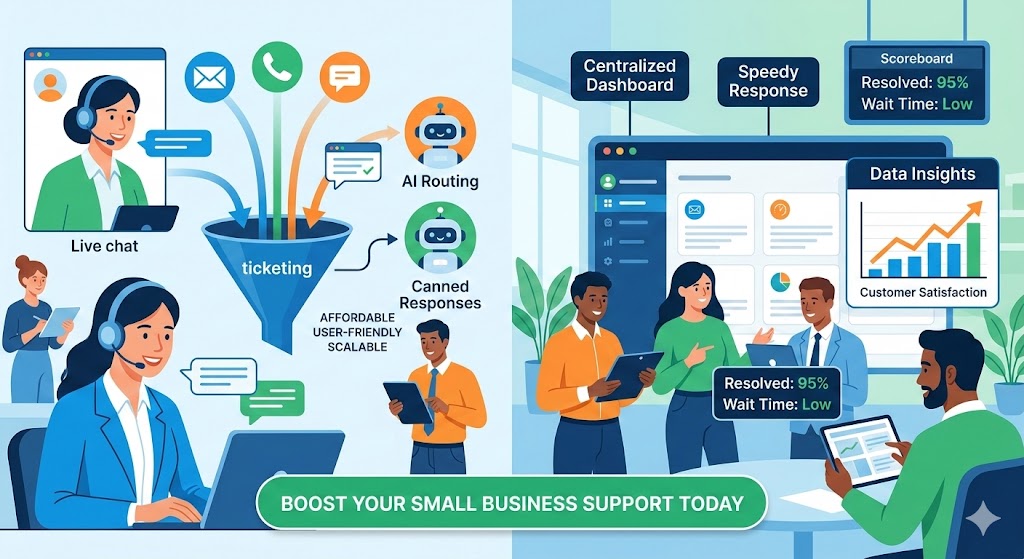
For instance, your HR department might still find the best HR software for small business more efficient for specialized tasks like benefits administration. Similarly, your customer support might continue using their preferred help desk software for small business. The magic of a modern ERP software solution is its ability to “plug in” to these external tools via API, ensuring your financial records remain accurate without forcing your staff to learn a dozen new interfaces.
Key Selection Criteria for Business Owners
Before you sign a long-term contract, ensure the provider checks these boxes:
- Implementation Support: Does the vendor offer a dedicated team to help you migrate your data?
- Mobile Accessibility: Can your field sales team or remote workers access the ERP software from their phones?
- Scalability: Will the software still be able to handle your volume when you triple your revenue?
- US-Based Support: Ensure you have access to technical help during US business hours.
Final Verdict: Is ERP Software Worth the Investment?
While the initial cost and time required for implementation can be high, the ROI of ERP software is undeniable. By centralizing your data, you reduce the risk of costly human errors and gain the agility needed to respond to market changes instantly.
As you finalize your digital transformation, remember that security is just as important as efficiency. Many firms utilize virtual data rooms to handle sensitive corporate transactions while their main software handles the day-to-day operations.
In the end, choosing the right ERP software is about more than just buying a tool; it’s about choosing a partner that will support your business growth for the next decade.